Highlights
-
Englewood shifted sharply away from last year’s elevated supply.
-
Both price measures rose substantially, though the small sales count makes mix important.
-
The reported listing pool contracted much more than the countywide inventory.
-
Marketing time shortened sharply as completed sales increased.
-
Sellers gained a firmer position, while buyers needed careful property-level price comparisons.
Market Conditions
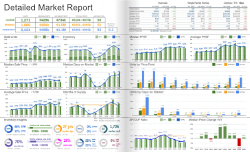
The reported Englewood market tightened substantially in September 2026. Supply fell from 11.8 to 3.1 months, moving from elevated, buyer-leaning conditions toward a seller lean. The exceptionally large inventory decline is a reported change; these tables do not identify its cause.
The figures combine single-family homes, condos, townhomes, and villas, with year-over-year comparisons to September 2025.
The local supply reading compares with 3.7 months in Sarasota County.
Pricing Trends
The median sale price increased 23.7%, from $388,000 to $480,000. The average increased 22.6%, from $482,000 to $591,000. The median marks the midpoint of sales; the average gives expensive transactions more influence.
The median rose 23.7%, and the average increased 22.6%. Both show a more expensive completed-sales distribution. With only 44 sales, changes in the homes sold can meaningfully affect both measures. They do not establish equivalent appreciation in individual properties.
Inventory Trends
Available inventory declined 73.3%, from 581 to 155 properties. Months of supply declined from 11.8 to 3.1.
Inventory declined by 426 properties, or 73.3%, far more than Sarasota County’s 23.7% contraction. Buyer choice narrowed sharply in the supplied figures, while current supply was close to September 2019’s 3.3 months.
Market Pace
Closed sales increased 25.7%, from 35 to 44. Median days on market fell from 85 to 36 days. Closed sales measure completed transactions rather than new contracts.
The 36-day median improved 49 days and was 20 days shorter than Sarasota County’s 56 days. Closings rose 25.7%. Stronger volume, faster marketing, and lower inventory all supported tighter local balance.
What This Means for Buyers
Buyers face much less reported selection and should assess a good match promptly. Compare recent sales of similar properties before applying the headline price gains. The small closing count makes property type and features especially important when judging value.
What This Means for Sellers
Sellers have fewer competitors and a faster completed-sales pace. Use current comparable closings to support an asking price rather than assume every home gained more than 20%. Preparation and realistic pricing remain important even after the large supply shift.