Highlights
-
Lakewood Ranch remained tight, although completed sales declined substantially.
-
The median rose while the average changed little, showing a modest pricing shift.
-
Inventory fell, keeping supply below both countywide readings.
-
Marketing time shortened and remained faster than either county.
-
Sellers had limited inventory competition, while fewer closings tempered expectations of accelerating demand.
Market Conditions
Lakewood Ranch, a unique market spanning Sarasota and Manatee counties, remained seller-favored in September 2026. Its 2.2 months of supply was below both counties. Fewer listings and a faster marketing period supported sellers, but a substantial decline in completed sales made this a tightening supply story rather than a clear demand surge.
The figures combine single-family homes, condos, townhomes, and villas, with year-over-year comparisons to September 2025.
For comparison, Sarasota County carried 3.7 months of supply and Manatee County 3.5 months.
Pricing Trends
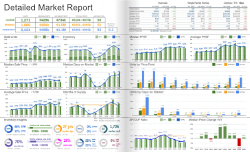
The median sale price increased 4.7%, from $530,000 to $555,000. The average increased 0.7%, from $673,000 to $678,000. The median marks the midpoint of sales; the average gives expensive transactions more influence.
The median increased 4.7%, while the average rose only 0.7%. The midpoint of completed sales moved higher without a comparable shift in the average. That pattern is consistent with a modest change in the sales distribution, rather than evidence of large price gains across all homes.
Inventory Trends
Available inventory declined 25.5%, from 364 to 271 properties. Months of supply declined from 3.3 to 2.2.
The reduction of 93 listings limited buyer alternatives. Current supply was below September 2019’s 3.7 months and September 2024’s 6.3 months, but above September 2021’s 0.7 months. Choice was constrained compared with those earlier balanced periods, while the extreme pandemic shortage remained a different market.
Market Pace
Closed sales declined 21.6%, from 125 to 98. Median days on market fell from 66 to 45 days. Closed sales measure completed transactions rather than new contracts.
The 45-day median was faster than Sarasota County’s 56 days and Manatee County’s 53 days. Closings declined 21.6%, even as marketing time improved 21 days. Fewer homes completed sales, but the median completed sale spent less time on the market.
What This Means for Buyers
Buyers should prepare to assess a strong match promptly because supply is limited and the local pace is faster than both counties. Compare recent sales in the same community and property category. The lower closing count also cautions against assuming every listing faces intense competition.
What This Means for Sellers
Sellers benefit from fewer competing listings and faster marketing time. The decline in closings limits the case for treating the market as rapidly accelerating. Use current comparable sales to set an asking price, with the modest price changes supporting measured expectations rather than aggressive increases.