Highlights
-
East Manatee moved into tight, seller-favored supply despite fewer completed sales.
-
A slightly higher median and lower average showed mixed pricing.
-
Inventory contracted substantially, leaving fewer alternatives than last September.
-
Marketing time shortened sharply and fell below the county median.
-
Seller leverage improved through supply and speed, while completed volume tempered the pricing outlook.
Market Conditions
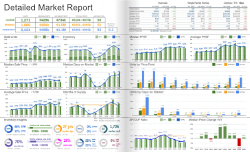
East Manatee shifted into seller-favored supply in September 2026, with 2.9 months available. The area south of the Manatee River and east of I-75 became tighter and faster than the county overall. However, fewer completed sales limited the case for describing demand as broadly accelerating.
The figures combine single-family homes, condos, townhomes, and villas, with year-over-year comparisons to September 2025.
The local supply reading compares with 3.5 months in Manatee County.
Pricing Trends
The median sale price increased 1.5%, from $535,000 to $543,000. The average declined 5.1%, from $667,000 to $633,000. The median marks the midpoint of sales; the average gives expensive transactions more influence.
The median increased 1.5%, while the average declined 5.1%. This split may reflect a different distribution of completed sales rather than a uniform movement in values. The median remained above the county’s $420,000, but a higher local price level does not by itself imply stronger appreciation.
Inventory Trends
Available inventory declined 19.1%, from 1,060 to 858 properties. Months of supply declined from 4.0 to 2.9.
Buyers faced 202 fewer listings, a larger percentage contraction than the county’s 10.3% decline. Current supply was below September 2019’s 3.5 months but above September 2021’s 0.8 months. The market became constrained without returning to its most severe shortage.
Market Pace
Closed sales declined 7.3%, from 287 to 266. Median days on market fell from 85 to 49 days. Closed sales measure completed transactions rather than new contracts.
The 49-day median was four days shorter than the county’s 53 days and improved 36 days year over year. Closings declined 7.3%. A faster pace within a smaller closing count points to improved selling speed, rather than proof of more new buyer contracts.
What This Means for Buyers
Buyers should be ready to evaluate a well-priced match because supply is limited and marketing time shortened. Use recent comparable sales to judge the split price measures. Lower inventory can reduce alternatives, but the specific property’s competition should still determine how much urgency and negotiation are appropriate.
What This Means for Sellers
Sellers have fewer competitors and a much faster median marketing period. Fewer closings and a lower average still argue against assuming automatic price gains. Set an asking price using comparable completed sales and prepare the home to take advantage of the tighter local supply.