Highlights
-
Luxury supply moved away from elevated levels but continued to lean toward buyers.
-
Median and average prices rose, with a larger increase at the average.
-
Inventory declined, easing competition among luxury sellers.
-
Closings slipped slightly and marketing time changed very little.
-
Buyers retained more choice relative to activity than in the county overall.
Market Conditions
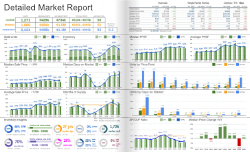
Manatee County Luxury Market moved from elevated supply toward balanced-to-buyer-leaning conditions in September 2026. At 6.1 months of supply, the segment remained less constrained than the broader county. Inventory improved sellers’ position, but nearly steady closings and marketing time limited evidence of accelerating activity.
The figures combine single-family homes, condos, townhomes, and villas, with year-over-year comparisons to September 2025. Luxury represents the highest-priced 10% of homes sold in each period, so the qualifying price level can change.
The local supply reading compares with 3.5 months in Manatee County.
Pricing Trends
The median sale price increased 8.7%, from $1,150,000 to $1,250,000. The average increased 18.4%, from $1,360,000 to $1,610,000. The median marks the midpoint of sales; the average gives expensive transactions more influence.
The median increased 8.7%, while the average rose 18.4%. Both measures show a more expensive completed-sales distribution, with greater movement in the average. Changes in the qualifying luxury price level and in the mix of upper-end sales may contribute; the figures do not establish a uniform gain in individual values.
Inventory Trends
Available inventory declined 11.4%, from 735 to 651 properties. Months of supply declined from 7.9 to 6.1.
There were 84 fewer competing listings. Current supply was below September 2019’s 7.4 months but above September 2021’s 2.0 months. Buyers retained alternatives despite the improvement from last year, and luxury supply remained higher than the county’s 3.5-month reading.
Market Pace
Closed sales declined 2.2%, from 90 to 88. Median days on market fell from 70 to 69 days. Closed sales measure completed transactions rather than new contracts.
The 69-day median was 16 days longer than the county’s 53 days. Closings declined 2.2%, while marketing time improved by one day. Those small changes suggest a nearly steady completed-sales pace, rather than a broad acceleration accompanying the higher price measures.
What This Means for Buyers
Luxury buyers can compare alternatives and negotiate from recent matching sales. The smaller inventory pool warrants attention to a strong match, but the marketing-time and supply readings still support selectivity. Do not apply the average-price increase to every listing or assume it eliminates negotiating room.
What This Means for Sellers
Sellers face less luxury competition, but completed activity was slightly lower and selling time barely changed. Price using similar recent closings and prepare the property to compete within its actual price range. Higher segment prices provide context, while six months of supply still requires realistic expectations.